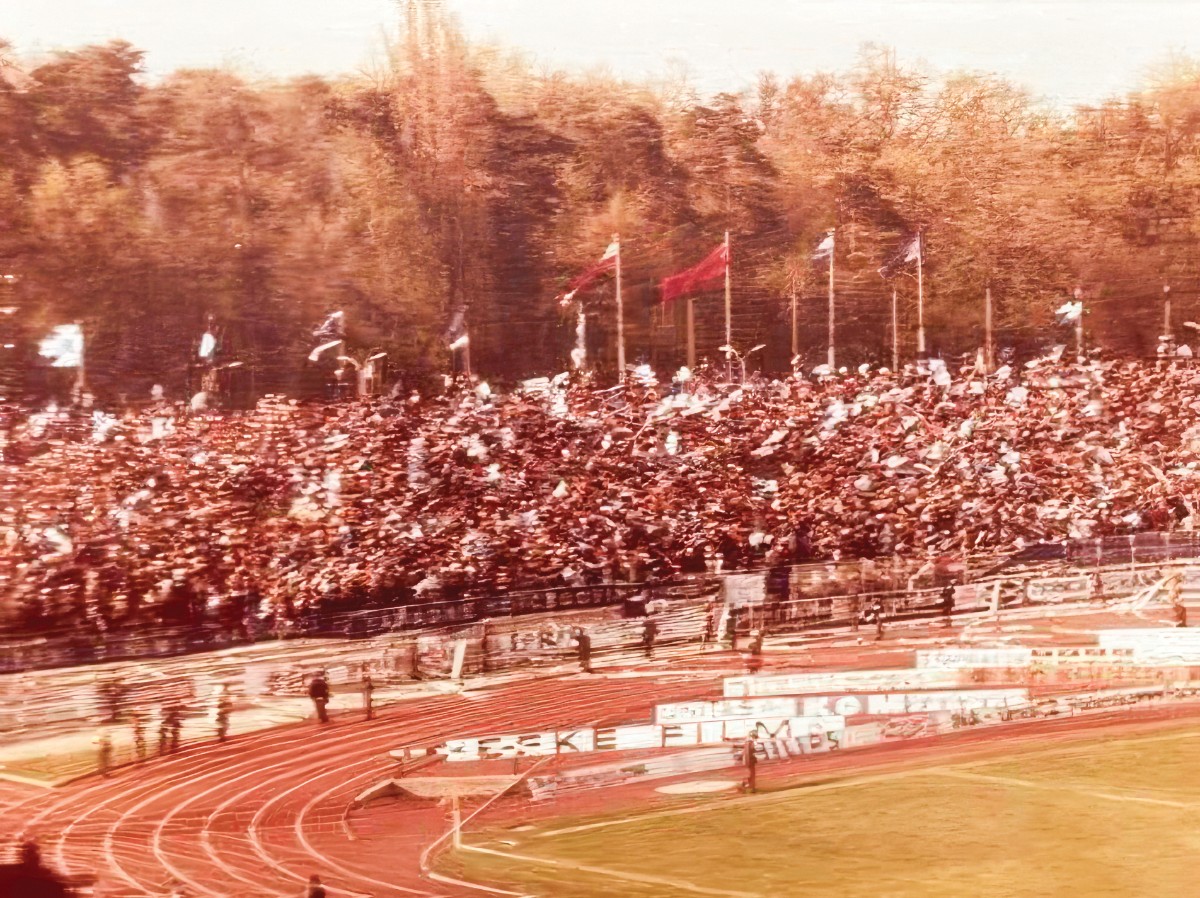
Bad Blue Boys - more than a fan group
Four decades of loyalty to the blue colour
We are counting down to the grand and spectacular celebration of 40 years of our fan group's existence, which the Bad Blue Boys are preparing with a series of events in August. One of the first Boys, a witness and participant of all the times and "bad times" that our greatest fan force has gone through, Dražen Radman, takes us through this unique journey through time and points to the very essence of the existence and operation of countless generations of wicked blue boys.
There are dates that are remembered. But there are also stories that begin much earlier than they get their name.
When the date August 17, 1986 is mentioned, many will say – that was the day the Bad Blue Boys were founded.
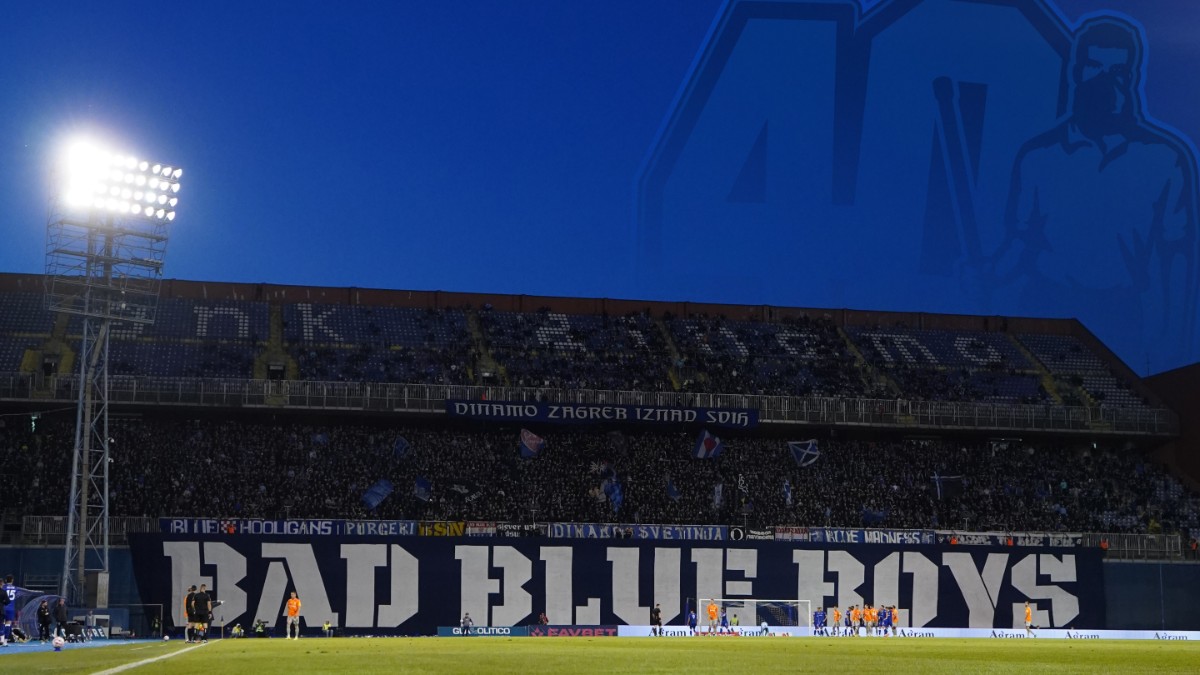
And they will be right. But their story didn't begin then. It was developing years earlier, on the North Stand at Maksimir, in Zagreb's halls and pools, on Zagreb's streets, in buses and trains that led to Yugoslav cities and some European cities among boys for whom supporting wasn't entertainment but a way of life. Every great story has its first generation. For the Bad Blue Boys, those were boys born in the sixties, who grew up in Zagreb neighborhoods from Dubrava to Trnje, from Maksimir to Trešnjevka, Sesvete, Novi Zagreb and other parts of the city, and even our brothers from Zagorje, Slavonia, Lika, Imotski, Herzegovina, from Posavina to Rama...
One common thing united us – Dinamo.
Our growing up wasn't marked by mobile phones and social networks. Our world consisted of neighborhood streets, school playgrounds, trams that went to Maksimir and friendships that were created on stands and trains.
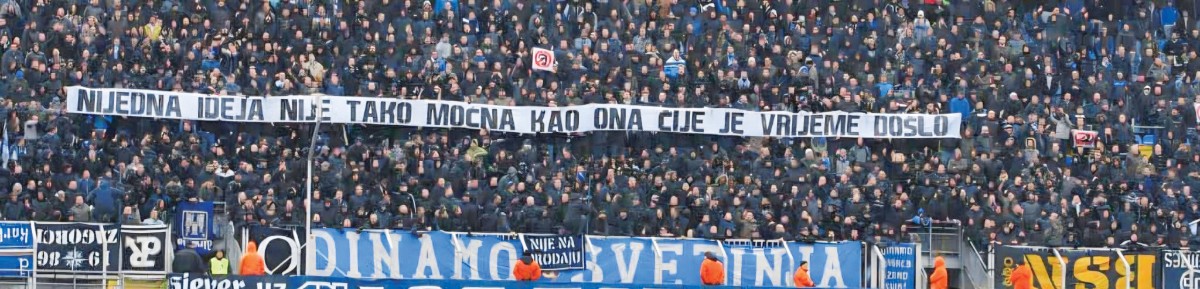
That first generation left its mark in sports, in the defense of Croatia and in creating an identity that has been passed down on the North Stand at Maksimir to this day. Our greatest legacy isn't just songs and banners but the values we passed on to the generations that came after us, loyalty, community and the belief that love for the club isn't measured by trophies but by faithfulness. And that's why the North Stand at Maksimir wasn't a place you come to, but a place you belong to.
Athens, April 3, 1985, Cibona plays the European Champions Cup final against Real Madrid. While Dražen Petrović leads Cibona to the European summit, the stands gather the core of Zagreb supporters along with many from outside Zagreb who already then gave special strength and power and who would get the name Bad Blue Boys a year later.
We didn't travel just because of basketball, we traveled because of Zagreb, because of community and because of the sense of belonging that would later mark several generations.
A year later, those same boys are on another European journey, Budapest and the final of another Champions League, but this time against Žalgiris. This time even more young men, even more powerful, even louder, even braver.
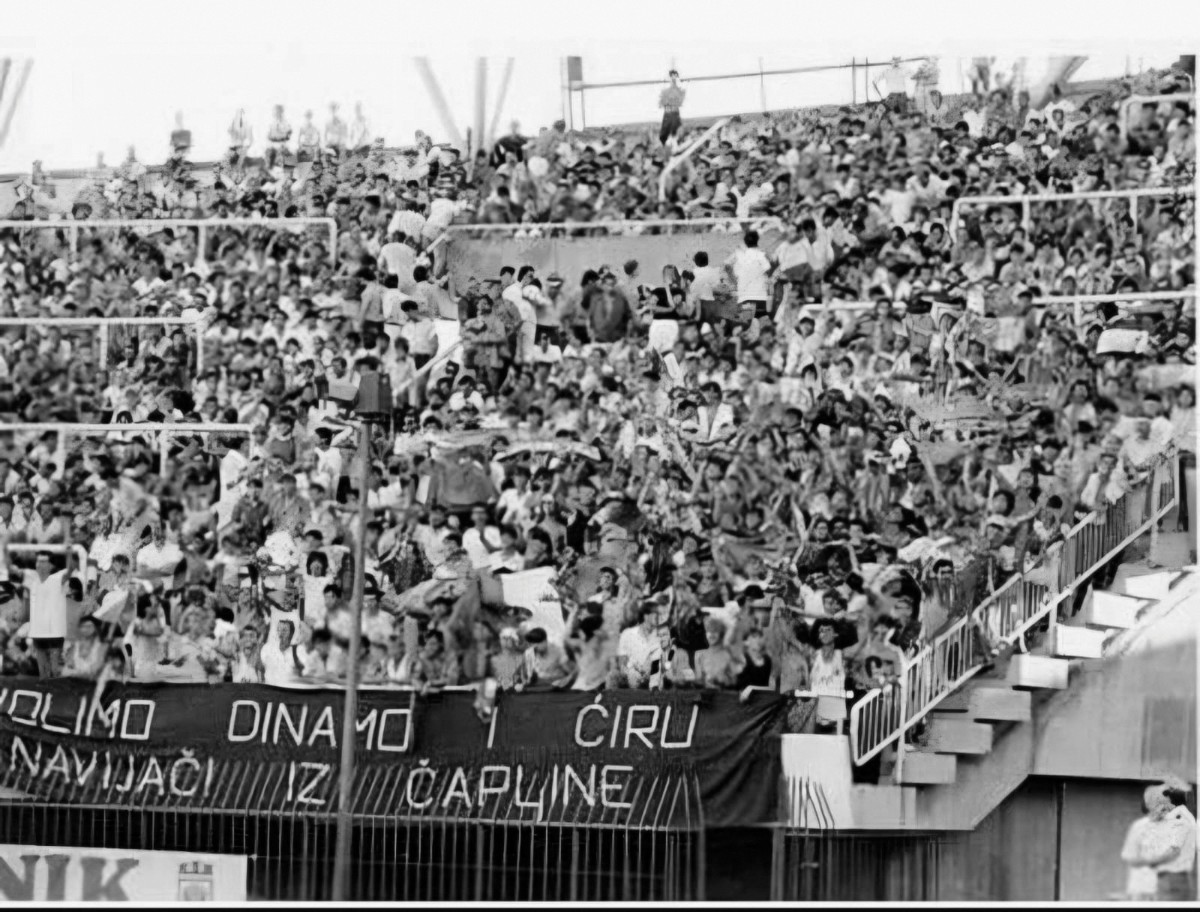
They showed that Zagreb has an organized fan group ready to follow their Zagreb clubs wherever they played.
One such match was Hajduk – Dinamo in August 1986. Dinamo wins 4:0, and that day the name Bad Blue Boys truly comes alive among the supporters for the first time. From that moment it's no longer just about a group of friends from the NORTH, an identity is born that will soon become known throughout Yugoslavia and Europe.
From that moment begins a story that has lasted four decades.
Bad Blue Boys very quickly become the trademark of the North Stand at Maksimir. We bring a new way of supporting, new songs, new banners and choreographies. Dinamo no longer just had an audience. It had a supporter movement.
And then came May 13, 1990.
The day when Dinamo and Red Star were supposed to play. Football wasn't played that day. Maksimir became the site of a conflict that will remain deeply inscribed in Croatian collective memory. For many supporters, that very day marked the end of one era and the beginning of an uncertain time that soon grew into war.
However one looks at that event, one thing is certain – the Bad Blue Boys became part of history that day, and not just the supporter scene.
Shortly after, many Bad Blue Boys exchanged the stands for the battlefield. They went to defend Croatia. Many never returned. Their names today stand on memorial monuments, and their sacrifice remains a permanent part of the history of the Bad Blue Boys, Dinamo and the Croatian state.
After the war ended, a different kind of struggle began. The struggle for Dinamo's identity. When the club changed its name, many thought that supporters would eventually accept the new reality.
The Boys didn't.
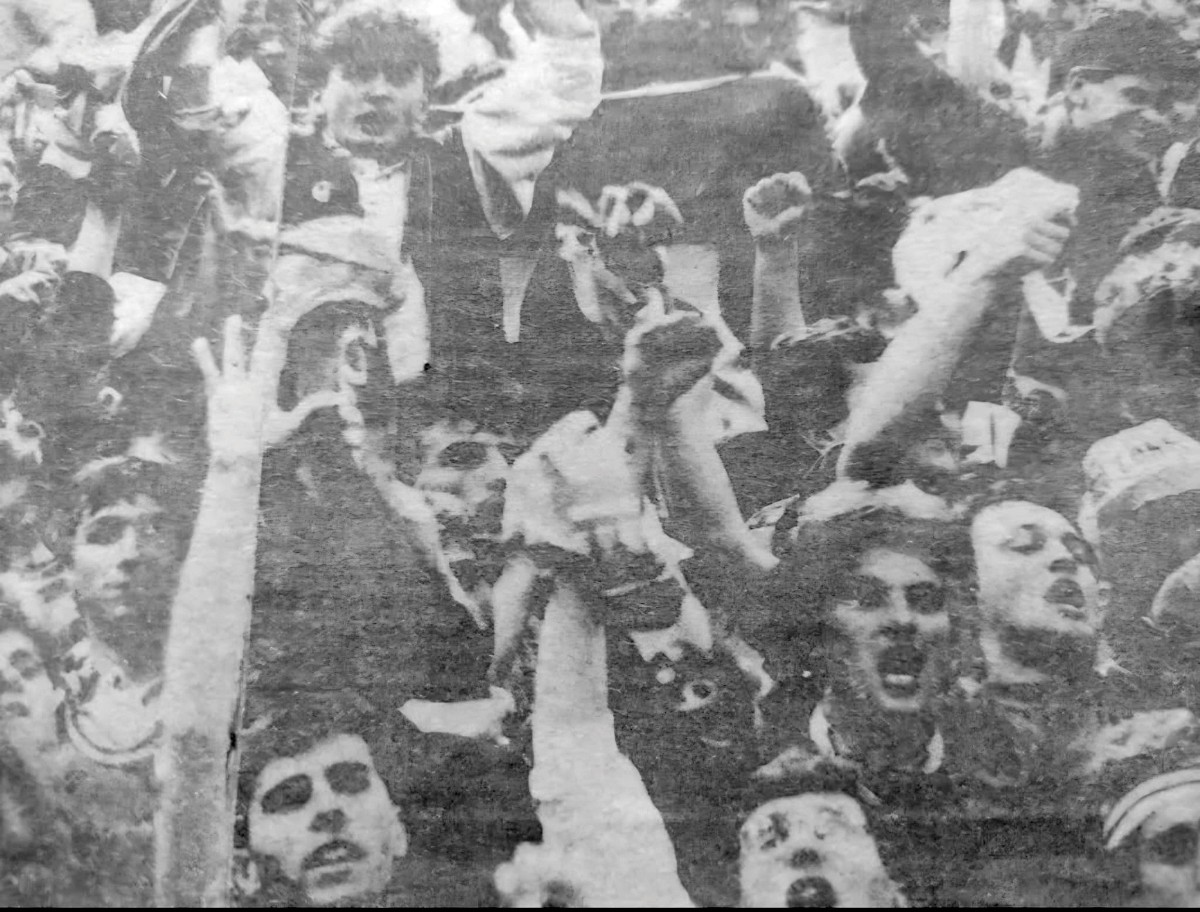
For years we repeated that a club without the name Dinamo isn't the same club we inherited from our parents and grandfathers.
For us, Dinamo was never just a football club, it was part of Zagreb's and Croatian identity.
We persistently demanded and fought in every possible way for the return of our historic name. When Dinamo became Dinamo again on February 14, 2000, many experienced it as a victory of supporter persistence and loyalty to tradition.
It wasn't the victory of one management or one policy, but the victory of the idea that the club belongs to its history, its supporters and the city from which it emerged.
For us Bad Blue Boys, that wasn't the end of the struggle, but confirmation that with persistence you can defend the values you believe in.
In the following years came conflicts with the club management, police, the state.
There was everything, match boycotts, protests and demands for transparent management.
Methods can be debated, but one thing cannot be disputed – Bad Blue Boys were never indifferent to the fate of their club.
Our history isn't without mistakes. There were incidents, violence and moments that cast a shadow on all the good we did.
This also needs to be talked about, and openly.
But it's equally unfair to reduce 40 years of existence to only negative events. We organized many humanitarian actions, helped after earthquakes and floods, collected aid for the sick, for children and for Croatian veterans.
That's the side of the story that rarely gets the front page.
Today on the North Stand, some new children stand with us. They weren't in Athens in 1985 or Budapest in 1986. They weren't across Yugoslavia. They weren't at Maksimir in 1990 or during the war years, but they sing the same songs, wear the same colors and preserve the same idea, that Dinamo isn't just a football club but part of the identity of the city of Zagreb.
Maybe through the decades names and crests changed, managements, players and stands, Croatia also changed. But one thing remained the same, love for Dinamo.
We Bad Blue Boys aren't just a fan group. We are part of Zagreb's history, part of Croatian football history and part of modern Croatia's history.
You can agree with us or disagree. You can approve or criticize our actions, but no one can take one thing away from us.
For forty years we have been the voice of the North, Zagreb, Croatia and the Catholic Church.
And that's why Bad Blue Boys didn't become a legend because we're always right, we became a legend because we never stopped believing that Dinamo belongs to those who love, value and respect it.
We became legends because we never stopped being with our club, city, state, Catholic Church.
That's why we've protected and loved them all these years the best we knew how.
That's how we'll continue to work and live, directly and uncompromisingly. Such a style can be difficult for those who are used to diplomacy and veiled messages. We weren't and won't be "politically correct" and we'll bother some people. In a world full of compromises and superficiality, people like us rarely remain unnoticed and that's exactly why we've been leaving a mark for 40 years.
Dražen Radman, BBB
