GNK Dinamo commemorates May 13, 1990
36 years have passed
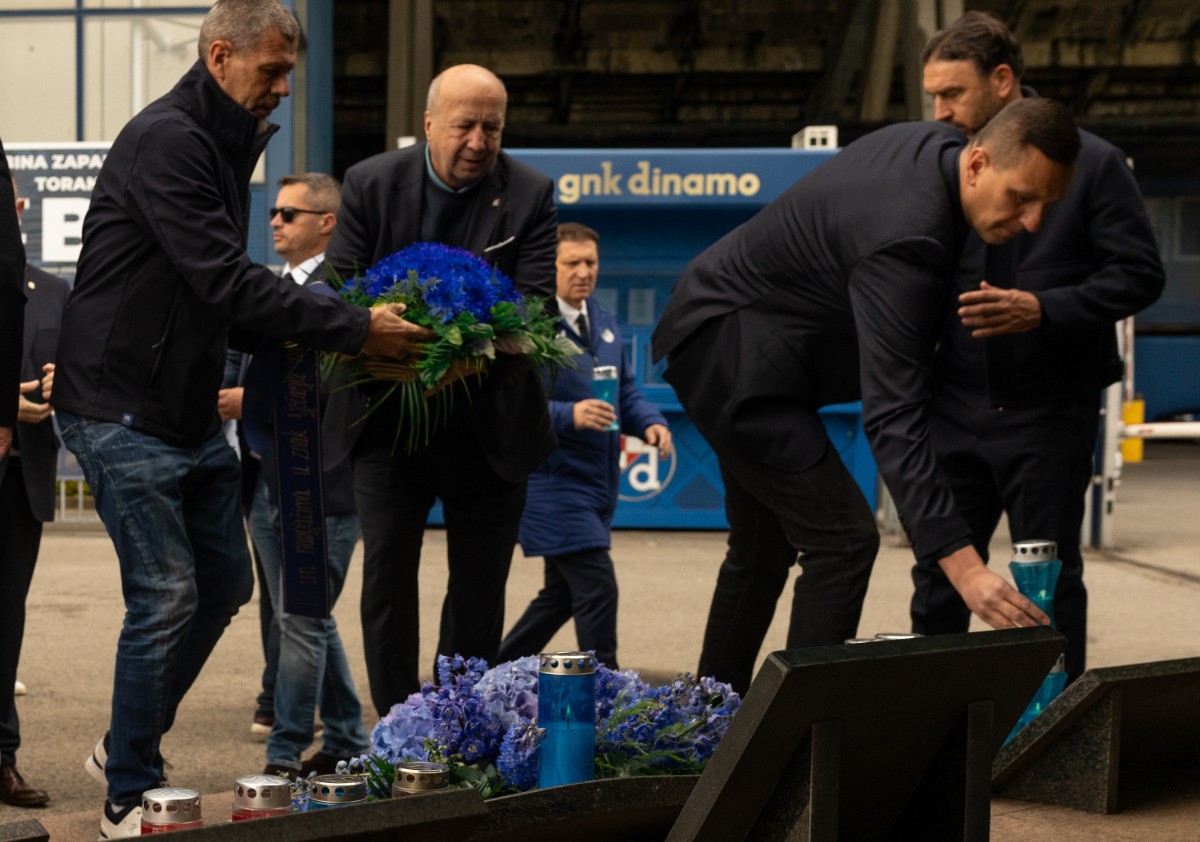
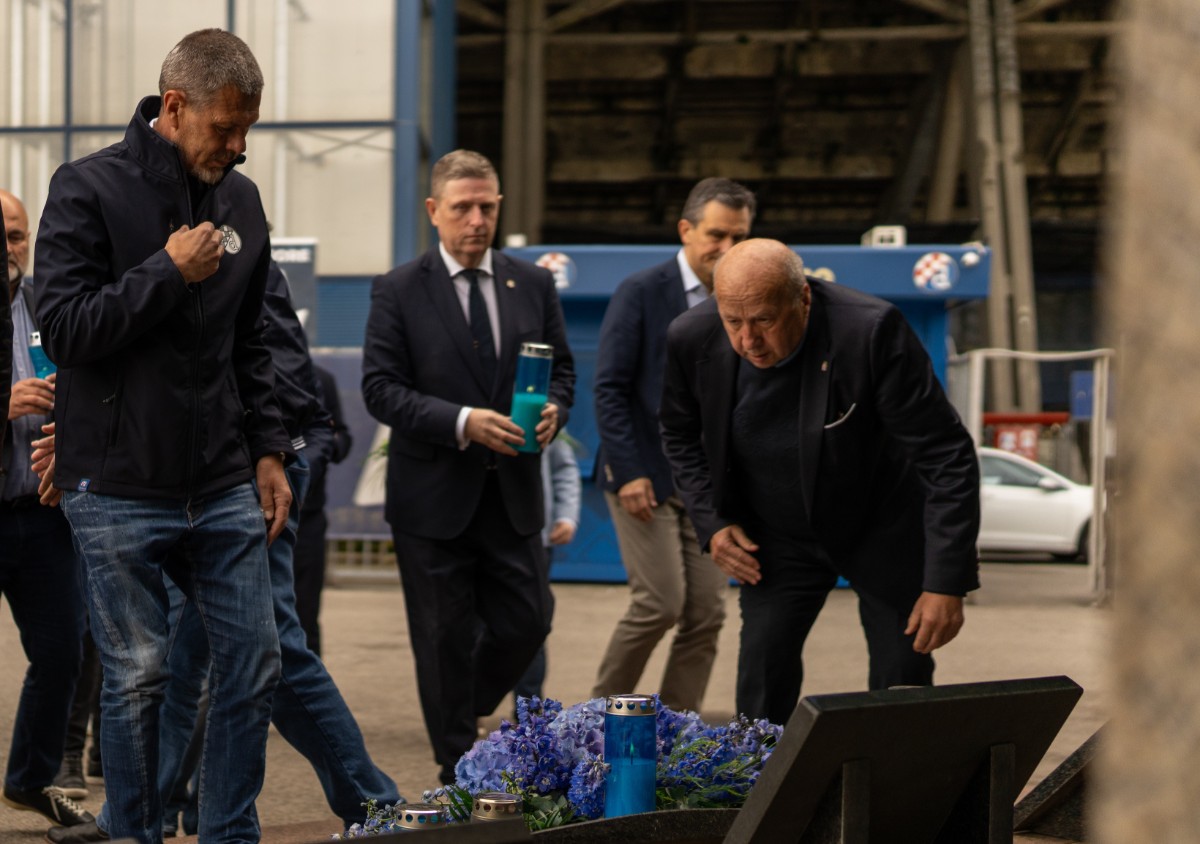
This Wednesday, May 13, we commemorate 36 full years since the events before the never-played match between Dinamo and Red Star Belgrade, events that many, due to the context of the time and socio-political circumstances, symbolically consider the beginning of the struggle for Croatian independence. Dinamo's delegation, led by president Zvonimir Boban, lit candles and laid flowers at the monument to Dinamo fans who perished in the Homeland War.
Dinamo's delegation included, among others, honorary president Velimir Zajec, Board member Zvonimir Manenica, Supervisory Board president Frano Šušnjara, SB members Mislav Ante Omazić, Saša Pavličić-Bekić, Krešimir Mlinarić and Zrinko Hržić, academy football director Albert Capellas, our former distinguished players Tomo Šokota and Silvio Marić...
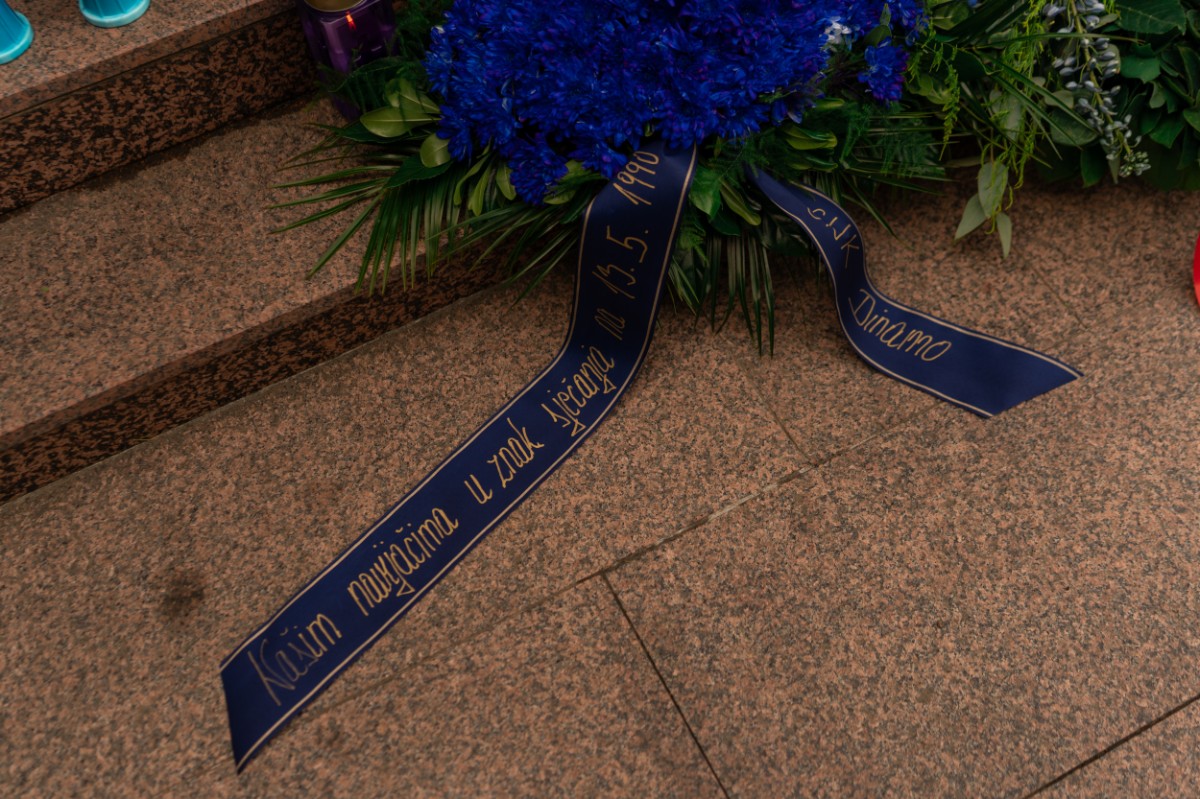
On that May 13, 1990, members of the organized supporter group of the Belgrade club, with the benevolence of the then militia, embarked on a destructive rampage at Maksimir Stadium immediately before the start of the match between Dinamo and Red Star in the penultimate league round.
The police calmly watched the hooligan mayhem in the stands, and such development of events naturally provoked a reaction from the home fans. Only at that moment did the law enforcement show their muscles and with all their force descended upon the Maksimir supporters who did not want to peacefully watch the destruction of their stadium. Such double standards and biased approach by the security forces resulted in the riots that we remember today as resistance to the system.
A truly emblematic scene, which is still embedded in the minds and emotions of the blue fans, is the action of Dinamo captain Zvonimir Boban who instinctively reacted towards a police officer in his desire to put an end to injustice and defend a fan, teammate, and himself...
The match was not played and was later registered as a 3-0 victory for the visitors without a fight. Boban was, among other things, punished by not being able to participate in the World Cup in Italy a month later. His original nine-month suspension was later reduced to four months.
However, the historical moment of the Maksimir events is deeply symbolic: everything happened between two close and crucial dates in Croatian history. Three weeks before that May 13, the first multi-party elections were held in the then Socialist Republic of Croatia, and less than three weeks after the Maksimir riots, the first multi-party Parliament of the Republic of Croatia was constituted.
It is true that another season of the Yugoslav league was played a year later, that Red Star visited Zagreb once more, but the events of May 1990 still reflect the symbolism of the socio-political movements of that time, as well as a preview of everything that followed.
