-c60db4c1-1d08-4e1a-ad8b-5d40d0a268f1-l.jpeg)
Results of the architectural-urban design competition for SRC Svetice – Maksimir Stadium presented
Winning design
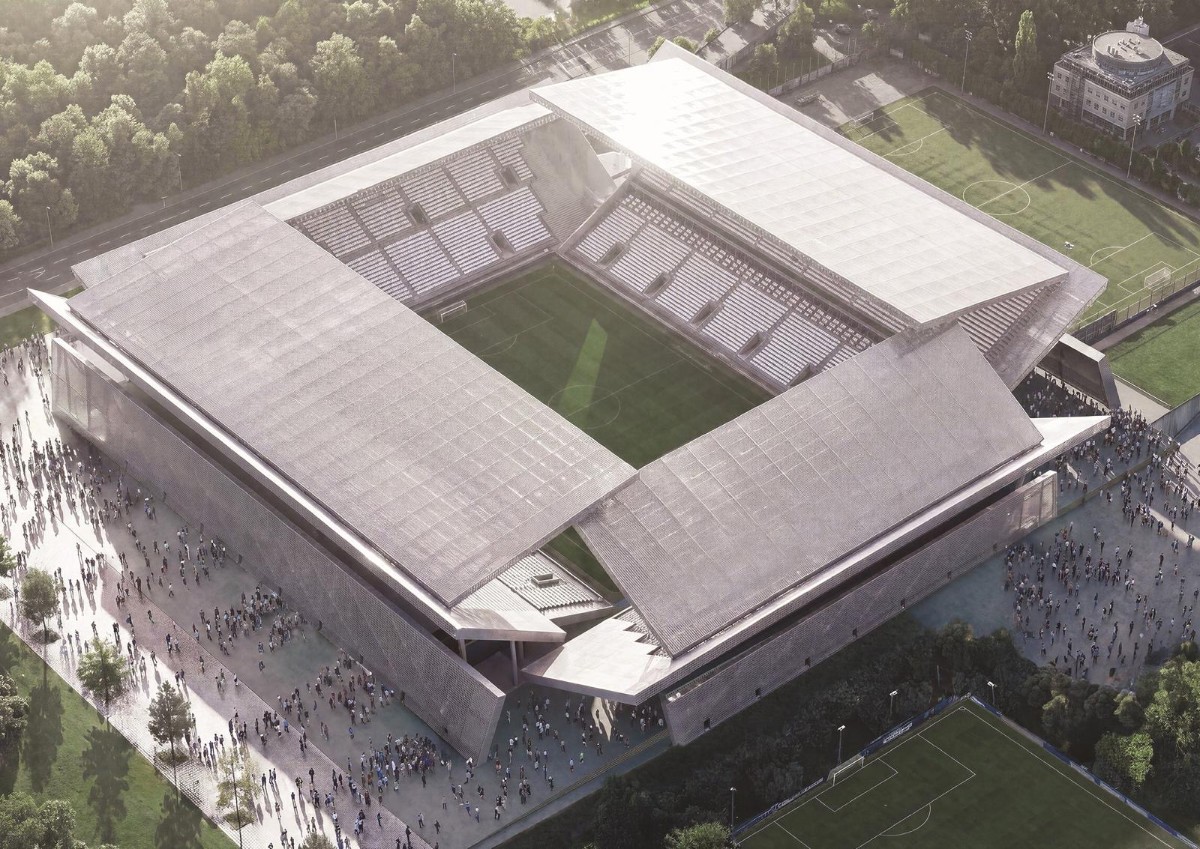
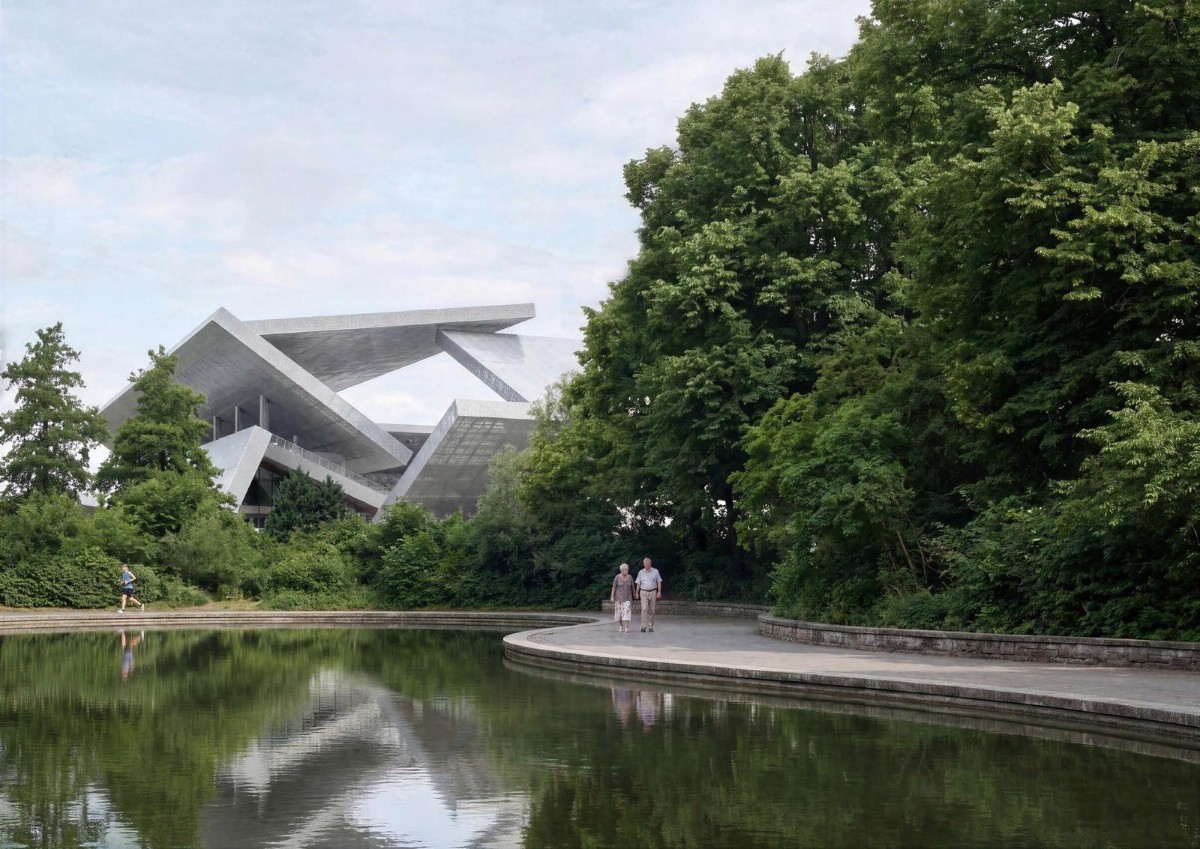
In Zagreb, at the premises of the Croatian Association of Architects, the results of the international architectural-urban design competition for SRC Svetice – Maksimir Stadium were presented. The first prize was won by the work of architectural studio VG13 Architects Studio Associato from Italy, authored by Tommaso Fantini and Alberto Rossi. The winning design includes a stadium with a capacity of 35,000 seats
The competition was prepared by the Government of the Republic of Croatia and the City of Zagreb, and was conducted by DAZ, the Croatian Association of Architects. It was open from March 20 to July 17 of this year, during which 88 works were submitted from more than 20 countries.
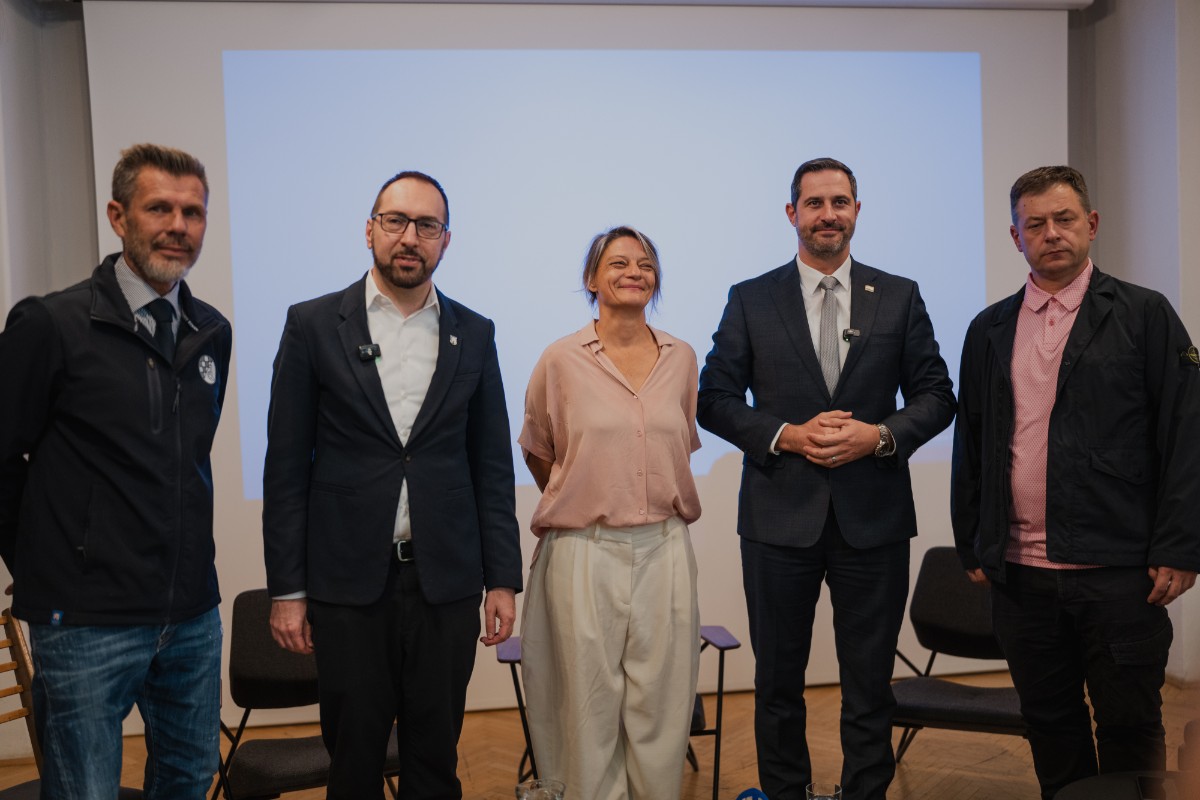
The results with a presentation of the winning design and the appearance of the four other best-placed entries were presented by DAZ president, Ana Boljar, president of the Jury Toma Plejić and jury members: Zagreb mayor Tomislav Tomašević, Minister of Tourism and Sports Tonči Glavina and GNK Dinamo president, Zvonimir Boban. The jury was predominantly composed of domestic and foreign architects and other experts, with one representative each from the Government of the Republic of Croatia and the City of Zagreb. The author of the first-prize winning design will be contracted to prepare the conceptual, main and executive project, which will begin the design process for the new football stadium as a prerequisite for obtaining location and building permits and preparing complete documentation for public procurement of construction works.
Demolition of the existing stadium is expected in 2027, and the start of construction of the new facility is planned for 2029.
– It's a great pleasure to be here, this is a big day for all Dinamo fans, for all people who love football. I believe everything will end with a great and beautiful, phenomenal, unique work. Allow me to sincerely thank our Government, President Andrej Plenković, Minister Tonči Glavina who was our colleague on the jury... Also, great thanks to the City of Zagreb and our mayor Tomislav Tomašević, our true Dinamo fan. I know with how much love they did this. I also thank all friends on the jury – President Boban emphasized.
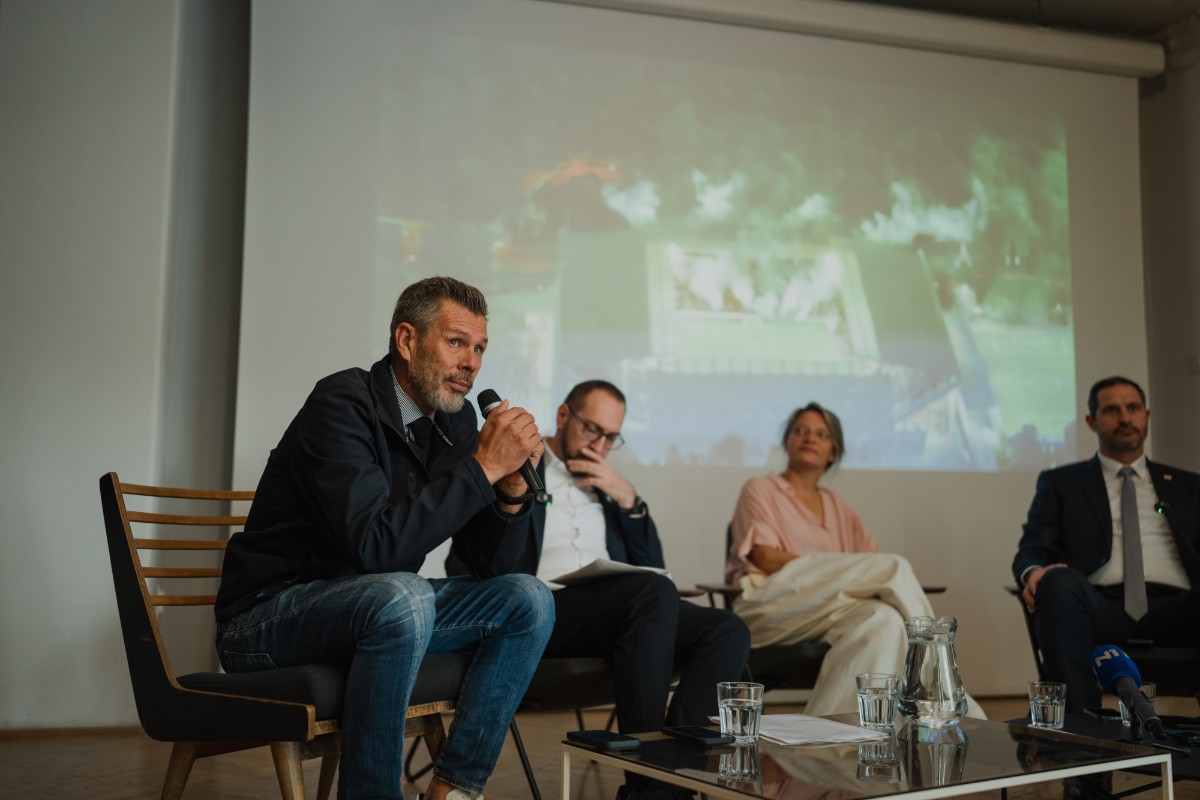
– It was a beautiful process of learning many things, recognizing some you didn't know, everything went in the best way. Neither will some 'inappropriate cruiser sail into our Maksimir' nor will 'some glowing spaceship land'. A structure will come that most deeply reflects the culture and urban style of this city. It reflects and respects the history and tradition of Maksimir Stadium, protects the identity and spirit of Dinamo and Dinamo fans. We are particularly proud of that. We can understand this work as a futuristic Maksimir.
President Boban emphasized that the new facility will also have special strength from a football perspective.
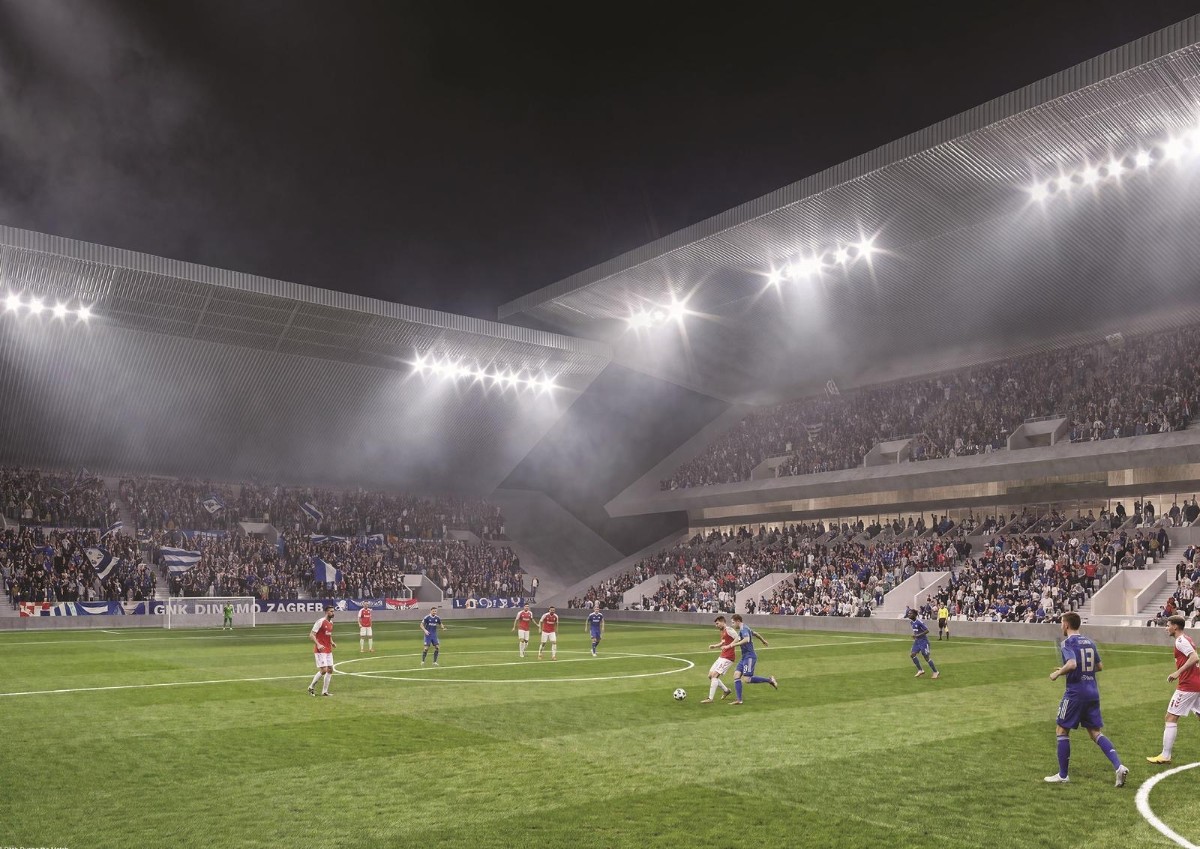
– I've visited quite a few stadiums in my life, played something on some, lived on this one and loved it so much. This is an extremely powerful and strong structure. When opposing teams come, they will have great respect and even awe. Likewise, I can imagine coming out onto the stadium, the verticality and proximity of the stands, all that energy, the separateness of the north stand. This was one of the few designs where the north is a separate entity. The fans have always been independent, autonomous, they will continue to be so and they need to be so. I think the energy and atmosphere at the stadium will be incredibly difficult for opponents and good for us. That's from a football perspective. Somehow through that work of the architects and their respect for Vladimir Turina's old work, the soul of old Maksimir was preserved. We still carry it, that's good. This is us, this is our Maksimir. I believe it will make us all proud.
Are possible improvements to the winning design possible?
– We believe in good synergy where our profession, our architects, in cooperation with Italian colleagues, may even come to some improvements. This is an almost finished idea, but I believe there is room for improvements, but in a way that doesn't disturb the author's work which we consider a masterpiece. We will, of course, make our own comments on the football aspect.
Part of the public may have expected the form of a closed arena.
– The question is what is tradition, identity and spirit of the old stadium. This is deep respect precisely for Dinamo, its history and identity. Above all, we thought about Dinamo fans. And if someone has different criteria, different tastes, that's freedom of opinion. Here, we are deeply convinced that we made the best decision precisely for Dinamo fans and Dinamo. As you well know, a hundred people, a hundred minds. The specificity of the stadium? We must be brave and live with our decisions and their consequences. In this case, I think the consequences will be brilliant. And what should we have done? Choose some ordinary off-the-shelf creation, a standard story where you don't know which stadium the goal notification comes from? Everything is the same. This is something completely different and urban, Zagreb-like and Dinamo-like – President Boban concluded.
Mayor Tomislav Tomašević shares a similar view.
– The majority of jury members consists of independent professionals. They were selected by the professional association to ensure independence of the decision itself so that it would be professional, not political. We looked at all the works for months and discussed them, debated them with all our different perspectives. And all were coded. Until the very decision, that is, until the moment we signed it, none of us knew which studio was behind which of these works. I remind you that for 30 years it was promised that the problem of Maksimir Stadium would be solved, various city administrations tried to do it. I'm glad we're one step away from Zagreb finally getting a proper new stadium. It will be unique, when you see it you'll immediately think of Zagreb. There's no copy of any stadium in the world here. It needs to be unique for the city, iconic, and it's good that it has a connection with the original stadium by Vladimir Turina. And this winning studio from Italy recognized that best. We absolutely didn't want a generic stadium like twenty others in the world where you don't know which one is where. We had clearly defined evaluation and scoring criteria, economic criteria, predictability in terms of duration of works and costs.
The entire new complex will also have accompanying facilities.
– There will be a garage with 800 spaces, three training pitches, one of which will have a stand with 1,500 seats, which is essentially the 'new Hitrec-Kacian'. The survey part of the competition for the needs of the City of Zagreb also sought definition of placement of a new athletics stadium with about 2,000 seats, a handball hall with about 5,000, a multifunctional hall for basketball and futsal with about 3,000, and space for recreation and outdoor exercise facilities. It was necessary to solve transport, a new terminal at Borongaj that would connect with the relocated railway station, meaning an entity that solves the issue of transport and access to the stadium and the Svetice complex.
Mayor Tomašević also offered some timeframes.
– We expect construction to last 22 months, we hope that by the end of 2030 we could have the new Maksimir open.
Minister Tonči Glavina also expressed satisfaction with the winning design, as well as the entire process.
– This is about an entire spatial intervention that is limited by many architectural positions, residential zones, roads, nature. We wanted to get a modern football stadium that will be iconic, unique. The entire process was very interesting and demanding, 88 works were submitted, we devoted a lot of time to each of them, we had the opportunity to listen to professionals and explanations, truly a very big job was done, extremely professionally and responsibly. All of us involved have different roles in the process – there are professionals, the sports community, politics at national and city level. But we saw the entire process with the same eyes, agreed on the project solution that the profession assessed as the best. I believe that the greatest value of this stadium will be seen the moment it is finished and when the first matches are played. And I especially want to emphasize that the Government of the Republic of Croatia made exceptional efforts to solve this project.
Architect Toma Plejić, president of the Jury, also gave his assessment.
– This is specific, unique and special. This is not a provincial choice but a choice that is authentic, a work that is completely different from the other 87. And that's completely radically different. Maybe it wasn't expected, but it takes the DNA of some past times when the stadium was also authentic, unique, globally relevant and referential, draws energy from it and transposes it into the future. That rarely happens. This is a miracle of how events unfolded, a miracle that someone discovered the potential, genetics and identity of this space.
