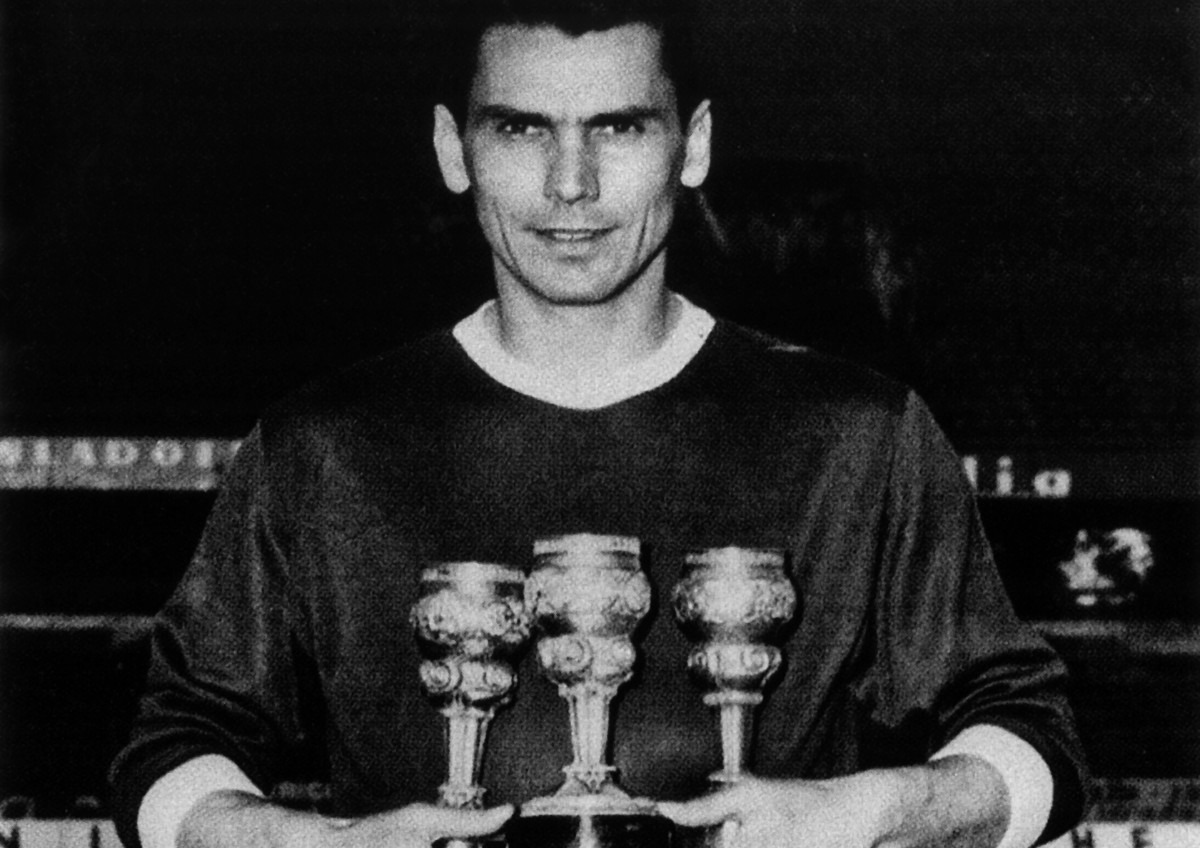
Željko Matuš has passed away
Sad news
Dinamo's famous number 10, our charismatic Željko Matuš, an important figure in the great history of the Purgers' club and a dear member of our blue family, has left us forever in his 92nd year.
We remember Matuš as a kind of symbol of the refined, “old Zagreb” Dinamo, and as the player with whom the image of the “gentleman in football boots” developed. At the blue club, that image had previously been associated primarily with Milan Antolković, and Matuš was, as it were, his successor.
He was part of the celebrated Dinamo generation that “danced” its way through the mid-1950s and the 1960s, a long-serving captain at Maksimir, a winner of four trophies and a finalist in the Inter-Cities Fairs Cup in 1963, the first of Dinamo's two European finals.
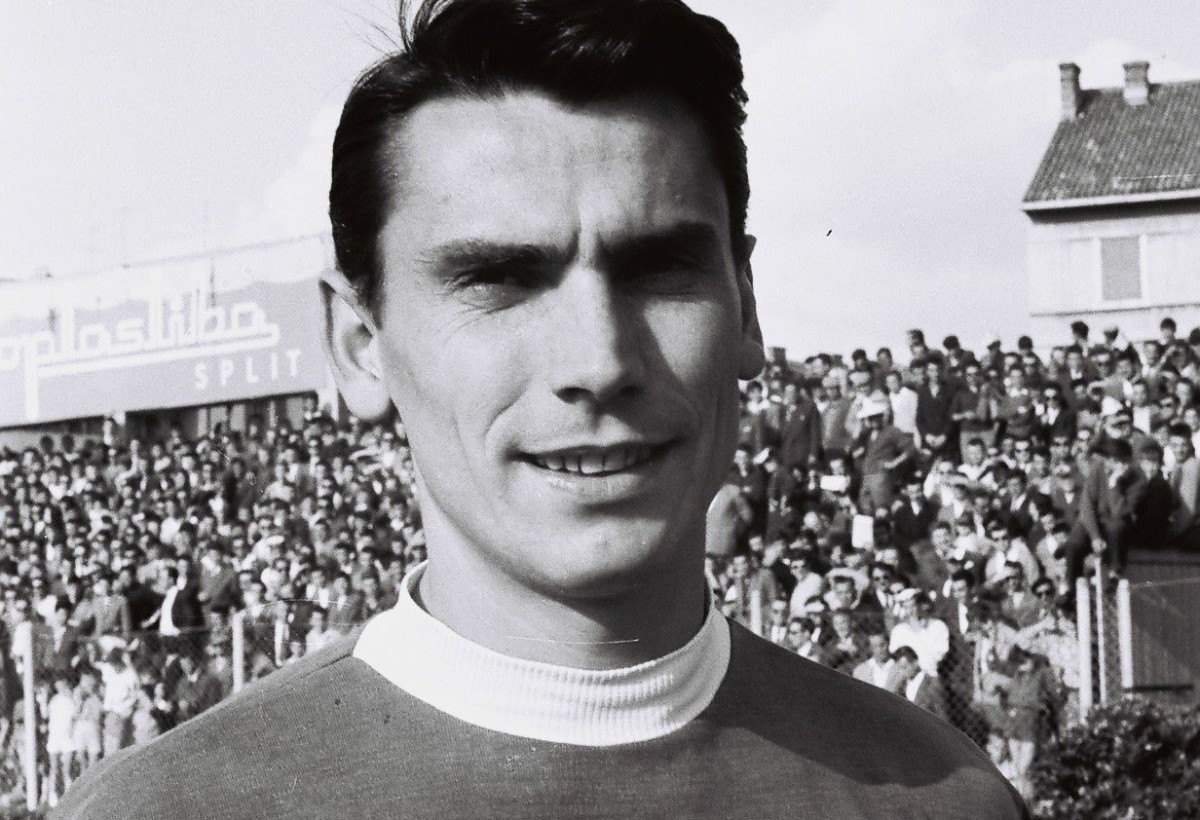
It was as captain that he led the Blues through those final matches against Valencia. Dinamo had, almost in passing, got the better of Porto away from home right at the start of the competition. They later eliminated Bayern, among others, beating them 4-1 in the quarter-final in the middle of Munich, and then won both legs of the semi-final against Ferencváros to earn the final showdowns, where Valencia ultimately stopped them. Matuš was the best player, or one of the two best, in the ties in Porto, Munich and Budapest...
In those matches Matuš himself sometimes played as the “number ten”, the creative playmaker, and sometimes as the “number four”, the defensive midfielder. As he told us himself, his strength, or perhaps his weakness, was that he could play in different roles. He often played ‘for others’, for his teammates.
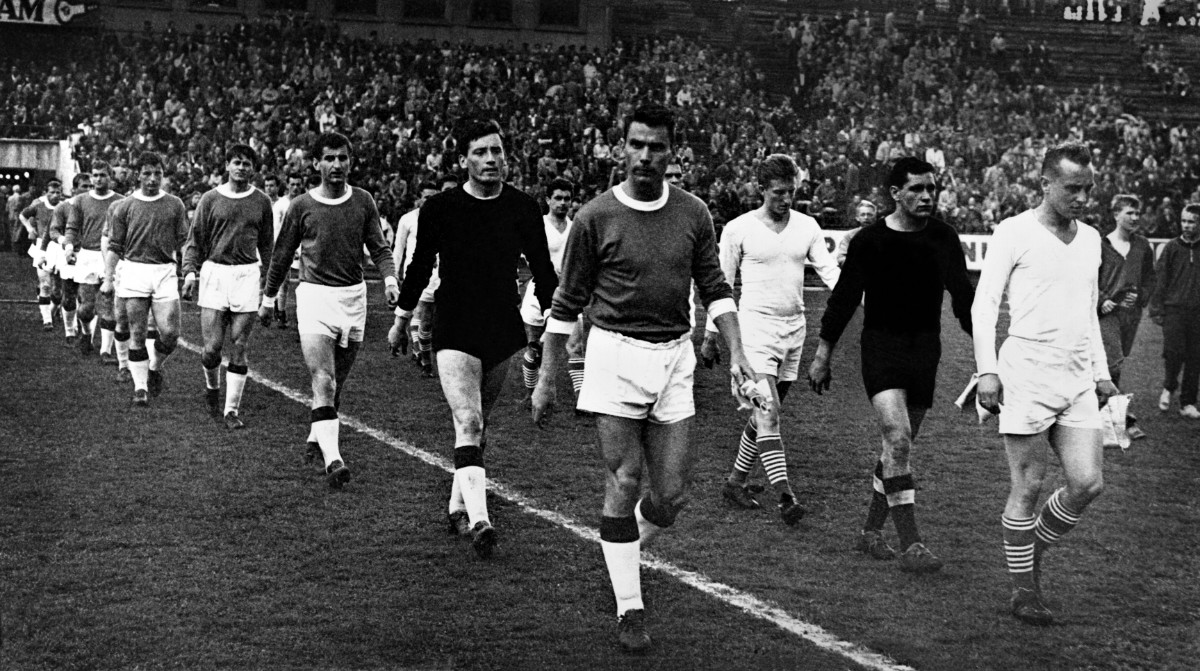
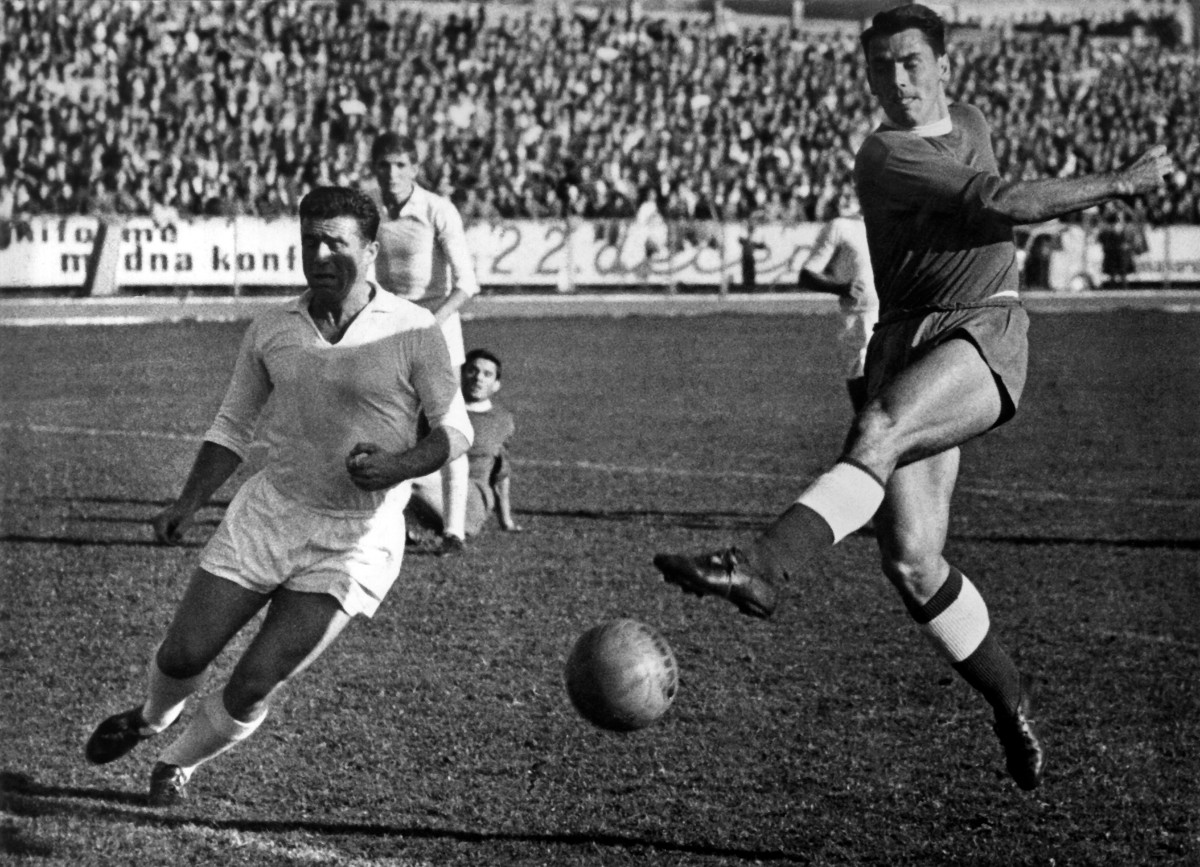
With Dinamo he won the league title in 1958 and the Cup in 1960, 1963 and 1965. He took part in the 1962 World Cup in Chile, where he reached the semi-finals with the Yugoslav national team, ultimately finishing fourth. Two years earlier he had played in the final of the European Championship in Paris in July, and then won gold at the Olympic Games in Rome in August and September, where he scored to make it 2-0 in the 3-1 win over Denmark in the final.
He appeared for the Croatian national team in the match against Indonesia in Zagreb in 1956. It was the only match played by the Croatian national team between 1945 and 1990. Croatia won 5-2, and it was Matuš who scored the opening goal to make it 1-0.
He was born on 9 August 1935 in Donja Stubica, and while still a secondary school student he played for the then Tekstilac from Oroslavje, which he left in 1954 to join Dinamo. He was among the first and few sportsmen with an academic education – after his football career he became a respected dentist in Switzerland.
And it is from those early days that an interesting anecdote dates, one that our renowned sports journalist Žarko Susić once recounted to us:
“The club director, with a stern look and visibly angry, approached a small group of his players and put almost the same question to each of them: ‘Well, make up your minds at last: do you want to study or play football?’ Many chose football, and only Matuš, with resolute composure, replied: ‘I don't want to choose. But if I have to, I'll choose my studies.’ Do you know where Matuš ended up later, and where the others did?” Susić, one of the founders of sports journalism in Croatia, told us.
According to the fortunate few who had the chance to watch the football of that era, which was in many ways romantic, Matuš was a kind of symbol of the old-Zagreb Dinamo, a city club to which the young man from Donja Stubica brought a special touch.
After Dinamo, he continued his playing career in Switzerland, where he stayed to live. He spent his retirement years in a home on the shore of Lake Zurich.
On this occasion, GNK Dinamo extends its sincere and deepest condolences to the family and friends of our Željko Matuš. Dear Željko, eternal glory and thanks to you. Rest in God's peace.